
Possible inquiries for World History. Will need to be broken down into units or concepts– this is just the first glance.

Ancient Greek democracy
Compelling Question
Was Greek democracy a success?
About the inquiry
is inquiry focuses on the government of Ancient Greece, specifically the creation of the Greek democracy. The questions, tasks, and sources in this inquiry asks students to consider the meaning of democracy and whose voices were heard in the original democracy and whose were not. Through analysis of videos, photographs of ancient artifacts, political cartoons […]

Ancient Hebrews
Compelling Question
What Defines a People?
About the inquiry
This 2016 Inquiry Challenge winner leads students through an investigation of ancient Hebrew history and Judaism by using various sources that consider the historical and theological foundations, as well as issues related to geography and place. By investigating the compelling question, students examine the history of the ancient Hebrew people, the principles that form the […]
1 Summative Performance Task
4 Supporting Questions

Ancient Roman statues
Compelling Question
What stories should statues tell about ancient Rome?
About the inquiry
This inquiry focuses on the social hierarchy of ancient Rome, viewed through the lens of statues that tell us about life during this time. Through analysis of videos, photographs of ancient statues, and images of architectural reliefs, students develop an argument supported by evidence that answers the compelling question, “What stories should statues tell about […]

Archeology and the Bible
Compelling Question
How has Archaeology Contributed to our Understanding of the Bible?
About the inquiry
This inquiry leads students through an investigation of archaeology and how it contributes to our current understanding of the Bible. It is important to note that this inquiry requires prerequisite basic knowledge of world history, geography, and religion. Developing students’ background knowledge on these topics can be part of the inquiry or from previous learning.
1 Summative Performance Task
3 Supporting Questions

China and Rome
Compelling Question
Did the Chinese and Romans Know Each Other?
About the inquiry
In this inquiry, students examine the extent to which the Chinese and Romans had knowledge of and interacted with one another. Knowledge of one another accumulated over time, and a long history of interaction was part of the process that led to the establishment of regular trade and cultural relations along the Silk Road. This […]
1 Summative Performance Task
4 Supporting Questions

Egyptian flooding
Compelling Question
Do the Benefits Outweigh the Costs from flooding the Nile River?
About the inquiry
This inquiry focuses on the impact of the flooding of the Nile River on ancient Egypt, specifically the costs and benefits of the flooding. Through examination and analysis of various photographs, videos, and article excerpts, students will consider how these sources can be used to convey the impact of flooding on multiple groups of people […]

Fall of Roman Empire
Compelling Question
Did the Roman Empire Fall?
About the inquiry
This inquiry leads students through an investigation of the fall of the Roman Empire. More specifically students examine whether the events that occurred in 476 CE constituted the fall of the Roman Empire or a transformation of the empire. By investigating the compelling question about whether or not the Roman Empire fell, students consider the […]
1 Summative Performance Task
4 Supporting Questions
Greek roots of modern democracy
Compelling Question
How Greek are we?
About the inquiry
This inquiry is an exploration into the roots of our modern democracy. It uncovers the idea that a deep influence of Greek architecture (columns on the Parthenon, U. S. Supreme Court building), law, and the Olympic Games impacts the present. It also compares and contrasts Athens as a direct democracy and the United States as […]
3 Supporting Questions

Imperialism
Compelling Question
Do the Boxers Deserve a Bad Rap?
About the inquiry
Between 1899 and 1901, in what became known as the Boxer Rebellion, a Chinese secret organization called the Society of the Righteous and Harmonious Fists led an uprising in northern China against foreign imperialism and associated Christian missionary activity. Western powers, including the United States, intervened and defeated Chinese forces. This inquiry investigates the multifaceted […]
1 Summative Performance Task
4 Supporting Questions

Indigenous Land Rights
Compelling Question
Who is responsible to the land?
About the inquiry
This inquiry leads students through an investigation of questions around Indigenous People’s land rights. Focusing on the construction of the Dakota Access Pipeline (DAPL), students explore how disputes over treaties and historical land bases complicate the already contentious issue of resource extraction. Students are progressively introduced to land rights issues centering on the experiences of Indigenous […]
1 Summative Performance Task
4 Supporting Questions

Indigenous Society
Compelling Question
Does culture or environment define indigenous society?
About the inquiry
This inquiry leads students through an investigation of the nature of indigenous society. The inquiry focuses on indigenous society in Utah and opens with a question about Prehistoric Utah. From there, students examine indigenous artifacts to learn more about society. Lastly, consider how societies impact and utilize their environment. To understand indigenous society in Utah, […]
1 Summative Performance Task
3 Supporting Questions

Silk Road
Compelling Question
Should We Call It the “Silk Road”?
About the inquiry
This inquiry leads students through an investigation of the complex trade networks throughout Eurasia, collectively known as the “Silk Road.” By investigating the compelling question, students evaluate the descriptor “Silk Road” by considering its accuracy and determining whether or not this label should continue to be used or if there is a more appropriate title […]
1 Summative Performance Task
4 Supporting Questions

Agriculture
Compelling Question
Was the Development of Agriculture Good for Humans?
About the inquiry
This sixth grade annotated inquiry provides students with an opportunity to investigate the role of agriculture in the growth of complex societies. Students will examine sources related to the development of agriculture, the emergence of ancient writing in Mesopotamia, and the rise of social inequalities as they construct an argument in response to the compelling question […]
1 Summative Performance Task
3 Supporting Questions

Aztec
Compelling Question
What Do the Buried Secrets of Tenochtitlán Tell Us About the Aztecs?
About the inquiry
This annotated inquiry leads students through an investigation of the Aztec Empire through the study of its capital city, Tenochtitlán. Scholars debate the significance of the role of the Aztec Empire in Mesoamerican culture. While some observers see great innovation in architecture, agriculture and economic systems, others see a simplistic, militaristic, and flawed empire. Further […]
1 Summative Performance Task
4 Supporting Questions

Bhutan and Culture
Compelling Question
Is globalized culture in Bhutan a good thing?
About the inquiry
This inquiry leads students through an investigation of the compelling question, Is globalized culture in Bhutan a good thing? The inquiry is shaped by three supporting questions, beginning with a question focused on what the Bhutanese people believe about the preservation of traditional culture. The second supporting question aims to tease out whether the differences […]
1 Summative Performance Task
3 Supporting Questions

Black Death
Compelling Question
Can Disease Change the World?
About the inquiry
This inquiry is framed by the compelling question “Can disease change the world?” Among the many catastrophic global pandemics in history, perhaps none achieved the notoriety of the Black Death. The Black Death was a massive outbreak of the bubonic plague caused by infectious bacteria. Thought by scientists to have been spread by contaminated fleas […]
1 Summative Performance Task
3 Supporting Questions

China
Compelling Question
Did Emperor Shi Huangdi Improve China?
About the inquiry
This inquiry leads students through an investigation of the actions, policies, and laws of Emperor Shi Huangdi of the Qin dynasty, 220–210 BCE. By investigating the compelling question “Did Emperor Shi Huangdi improve China?” students evaluate whether Shi Huangdi’s policies and practices ultimately hurt or helped Chinese society. By investigating historical sources, students will assess […]
1 Summative Performance Task
3 Supporting Questions
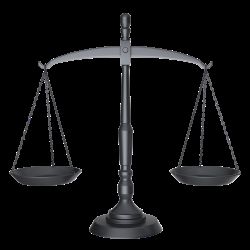
Citizenship Responsibility
Compelling Question
What does it mean to be a citizen?
About the inquiry
As the concept of citizenship began to develop within Ancient Greece and the Roman Republic, ordinary people began to gain rights along with the responsibilities of citizenship. However, not all citizen’s rights were equal. Through this inquiry, students will be challenged to evaluate if a citizen’s rights and responsibilities are truly equal to each other. […]
Instructional Snapshot
Students are presented with the image of the balancing scale of American rights and responsibilities from the source Loyal Citizenship. They are aske…
1 Supporting Questions

Enlightenment and Revolutions
Compelling Question
How did Reason lead to Revolution?
About the inquiry
How did the Age of Reason writers influence the people of the 18th century to think differently about themselves and the world around them? How did their writings motivate people to take action to fight for their basic human inalienable rights and even launch violent revolutions for social and political freedoms to achieve it in […]
1 Summative Performance Task
4 Supporting Questions

Gender Roles & Empowerment
Compelling Question
Do Gender Roles Empower or Limit Women?
About the inquiry
This inquiry leads students through an investigation that assesses the extent to which gender roles empower or limit the agency of women. In doing so, it provides students with the opportunity to explore how women, specifically Latina and Black women, have utilized various ways to push against social norms and to expand what is considered […]
1 Summative Performance Task
3 Supporting Questions

Industrialization
About the inquiry
This inquiry leads students through the political, social, geographic, and economic changes brought about by the Industrial Revolution in Great Britain between roughly the years of 1760 and 1840. By investigating the compelling question “How did the Industrial Revolution move people?” students consider the ways in which movement (e.g., people, goods, services) affects a person’s […]
1 Summative Performance Task
4 Supporting Questions

Suleiman
Compelling Question
How “Magnificent” Was Suleiman?
About the inquiry
This inquiry leads students through an investigation of the Ottoman Empire during the 16th century by examining the esteemed leader Suleiman the Magnificent. By investigating the compelling question “How ‘magnificent’ was Suleiman?” students are asked to evaluate the positive and negative impacts Suleiman had on the region. The formative performance tasks are designed to build […]
1 Summative Performance Task
4 Supporting Questions

Religious Freedom
Compelling Question
Does Religious Freedom Exist?
About the inquiry
This inquiry focuses on the concept of religious freedom driven by the compelling question “Does religious freedom exist?” The question establishes the importance of religious freedom and tolerance as a way for students to learn about world religions. In learning more about the compelling question, students identify the major beliefs of world religions and begin […]
1 Summative Performance Task
4 Supporting Questions

Nomadic Life
Compelling Question
How do we know the past without written evidence?
About the inquiry
This inquiry leads students through an investigation of prehistoric nomadic life. By investigating the compelling question “How do we know the past without written evidence?” students evaluate how nomads communicated, where they lived, and how they defined their needs based on the places they lived. The formative performance tasks build on knowledge and skills through […]
1 Summative Performance Task
3 Supporting Questions

Printing Press
Compelling Question
Did the Printing Press Preserve the Past or Invent the Future?
About the inquiry
This inquiry leads students through an investigation of the impacts of the printing press by examining its utility in society, both as an instrument to preserve cultural products of the past and as an agent of change. By investigating the compelling question “Did the printing press preserve the past or invent the future?” students evaluate […]