
Activism as a focus for inquiry invites students to explore how individuals and groups take action to promote change in their communities, nations, and the world. Through examining historical and contemporary examples of activism, students can engage with questions of justice, citizenship, and the responsibilities of participation in democratic life. Inquiries centered on activism encourage learners to consider both the motivations behind civic action and the strategies used to influence public policy and opinion.
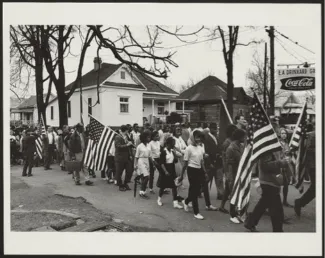
Activism and Photographs
Compelling Question
How can photographs be a call to action?
About the inquiry
This inquiry explores how photographs of the Selma to Montgomery march served as a call to action during the Civil Rights Movement. By analyzing historical images and primary sources, students will examine the courage and resilience of the marchers, the impact of these visuals on public opinion, and the passage of the Voting Rights Act […]
Instructional Snapshot
The class begins with students analyzing photos from the Selma to Montgomery march using the See it, Feel it, Name it! strategy, first noting observat…
1 Supporting Questions
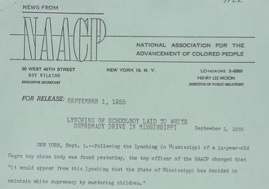
Activism and Print Media
Compelling Question
How can print media be a call to action?
About the inquiry
This inquiry invites students to explore the role of print media in driving social change by examining the murder of Emmett Till and the impact of Jet magazine’s coverage. Students will analyze the September 1955 issue of Jet magazine that featured the graphic image of Till’s open casket, exploring how this image shocked the nation […]
Instructional Snapshot
The class begins with students reading an NAACP press release on Emmett Till’s lynching and reflecting through a Head prompt. They then watch a video…
1 Supporting Questions
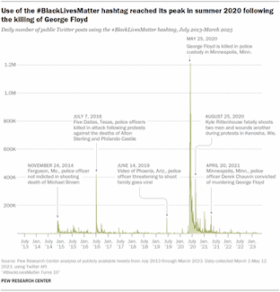
Activism and Social Media
Compelling Question
How can social media be a call to action?
About the inquiry
This inquiry examines how social media has become a powerful tool for modern youth activism, focusing on the Black Lives Matter (BLM) movement. Students will analyze how platforms like Twitter, Instagram, and TikTok amplify voices, mobilize protests, and inspire global action against racial injustice and police brutality. By comparing the role of photographs in historical […]
Instructional Snapshot
The class begins with students reading a text on Black Lives Matter and applying the Sentence, Phrase, Word strategy to identify key ideas. They then…
1 Supporting Questions
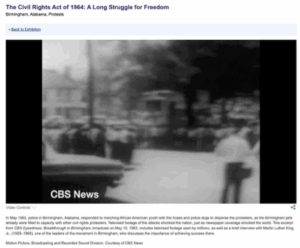
Activism and TV
Compelling Question
How can television be a call to action?
About the inquiry
This inquiry explores how television can inspire social change, focusing on the Children’s Crusade in Birmingham, Alabama. Students will analyze how footage of children enduring fire hoses and police dogs revealed the brutal realities of segregation and moved President John F. Kennedy to advocate for the Civil Rights Act. Through this, students will understand the […]
Instructional Snapshot
The class begins with students analyzing news broadcasts and Kennedy’s Civil Rights Address using a dialectical journal to select quotations and refle…
1 Supporting Questions

Activism and Music
Compelling Question
How can music be a call to action?
About the inquiry
This inquiry invites students to examine how musicians use their work to respond to societal challenges and promote change. Students will explore how these songs highlight critical issues like civil rights and social justice by analyzing “A Change is Gonna Come” by Sam Cooke (written in 1963) and “Blowin’ in the Wind” by Bob Dylan […]
Instructional Snapshot
The class begins with background on Sam Cooke, followed by students reading and listening to A Change is Gonna Come or Blowin’ in the Wind while annot…