
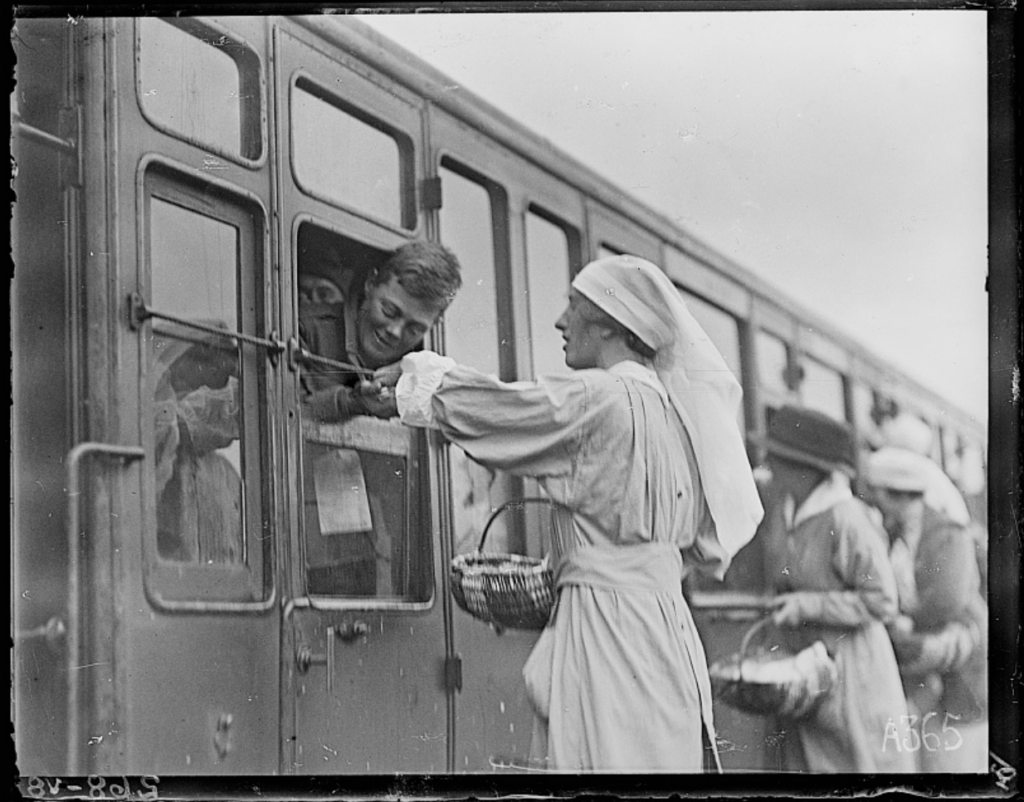
Industrialization in the early 20th century changed warfare in fundamental ways. Technological innovations during World War I, made possible by industrialization, made war more destructive than ever before. At the same time, medical and scientific advancements helped save lives. In this building block inquiry, students explore both the destructive and constructive costs of industrialization on the military during World War I.
Industrialization
The Heart of Social Studies
Inquiries
Filed Under:
Industrialization in the early 20th century changed warfare in fundamental ways. Technological innovations during World War I, made possible by industrialization, made war more destructive than ever before. At the same time, medical and scientific advancements helped save lives. In this building block inquiry, students explore both the destructive and constructive costs of industrialization on…
Filed Under:
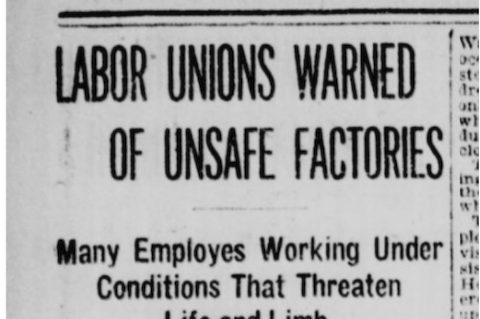
Rapid industrialization in the early 20th century dramatically changed the nature of work in the United States. In 1911, the Triangle Shirtwaist Factory fire revealed just how unsafe working conditions were. 146 garment workers, most of whom were young immigrant women, died when a fire broke out in a factory with locked exit doors and…
Filed Under:
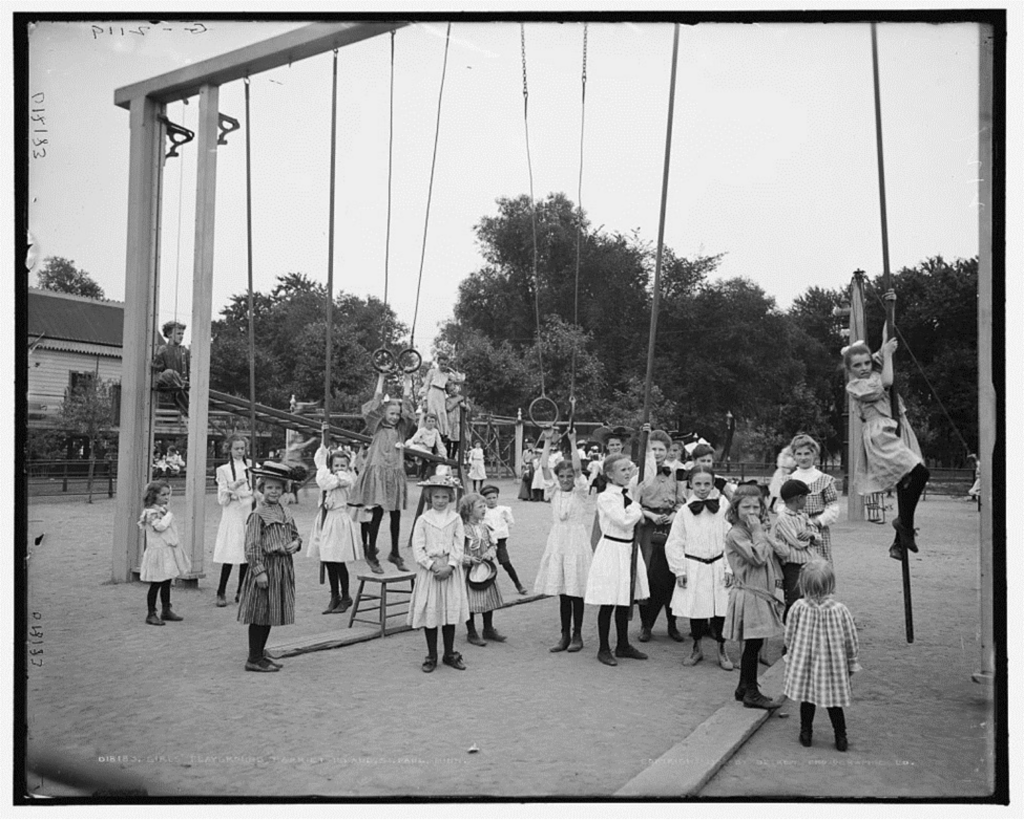
The impact of rapid industrialization in the early 20th century was felt by many groups, including children. While children had been engaged in agricultural work since the country’s founding, with industrialization, children increasingly worked in factories. Changes to the nature of work, the number of children working, and images of child laborers led to calls…
Filed Under:
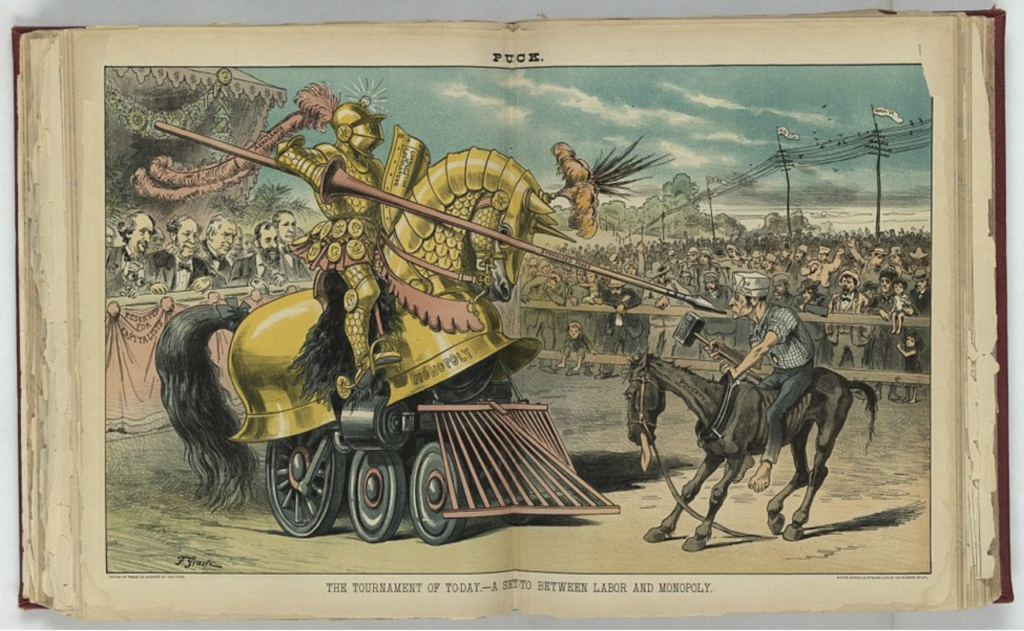
Industrialization allowed factories to produce goods faster and more efficiently, helping some companies grow dramatically. Accompanying this growth were changes in the way businesses could be organized. Large companies called trusts came to define the economics of the Gilded Age. Trusts (or monopolies) controlled entire industries, reduced competition, and expanded their profits. While the owners…