
The impact of rapid industrialization in the early 20th century was felt by many groups, including children. While children had been engaged in agricultural work since the country’s founding, with industrialization, children increasingly worked in factories. Changes to the nature of work, the number of children working, and images of child laborers led to calls for reform in the early 1900s.
Login to add Inquiry to Stack
About the inquiry
Compelling Question
What did child labor cost the US?
Standards
Instructional Snapshot
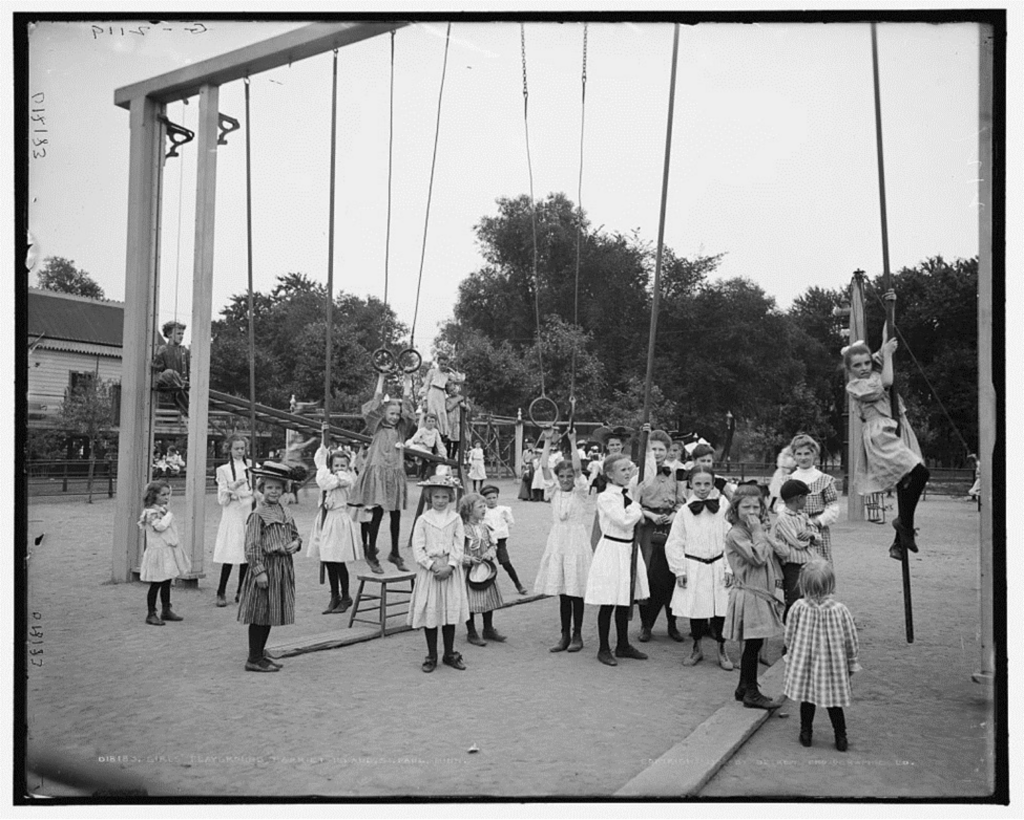
Class begins with the teacher dividing students into small groups and distributing a copy of the photographs in the Source Set to each group. Working together, students divide the photographs into two groups, labeling each group on their graphic organizer.
Students then answer the compelling question—What did child labor cost US?—by predicting the short-term and long-term consequences of child labor on children, using evidentiary details from the photographs to support their predictions.
Students then design a flyer calling for a specific reform that could lessen the predicted costs of industrialization on children that students identified in the previous step.
Formative Tasks
COLLABORATE: Sort the photographs of children into two student-labeled groups, giving each group a title.
DELIBERATE: Predict the short-term and long-term consequences of industrialization on children, using evidentiary details from the photographs.
PRODUCE: Create a flyer calling for a specific reform to lessen the predicted impacts of industrialization on children.
Sources
Photographs of Children During the Gilded Age
Summative Performance Task
No data found.
Taking Informed Action
No data found.