
Propaganda is one of the oldest techniques used to influence thoughts and behaviors of groups, but it can work in many different ways. In this inquiry, students will explore various propaganda techniques and evaluate their effectiveness in persuading an audience.
Login to add Inquiry to Stack
About the inquiry
Compelling Question
What makes propaganda effective?
Standards
D2.His.13.6-8: Evaluate the relevance and utility of a historical source based on information such as maker, date, place of origin, intended audience, and purpose.
Instructional Snapshot
Teachers may begin class by introducing the concept of propaganda – the communication of ideas and opinions with the intention of influencing behavior. Teachers may explain that propaganda has a long history in the United States, especially in times of war.
Next, students are broken up into small groups to analyze techniques used by propagandists. Using a graphic organizer and handout of propaganda techniques, students will collaborate in their groups to analyze examples of each technique and record thoughts on what makes each one effective.
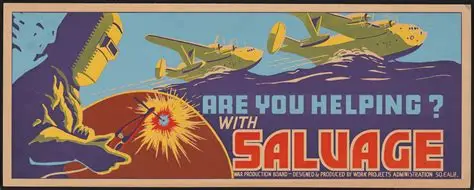
Students are then presented with a new set of propaganda posters from US history and are tasked with identifying the technique(s) used in each poster. Lastly, students will consider each of the five techniques and their sorted posters to write a claim answering the compelling question: What makes propaganda effective?
Formative Tasks
COLLABORATE: Students collaborate to analyze the various techniques used by propagandists to persuade audiences.
DELIBERATE: Students deliberate over various propaganda posters to sort them into the propaganda techniques.
PRODUCE: Students produce a claim answering the compelling question: What makes propaganda effective?
Sources
Introduction to Propaganda Source Set, Library of Congress
Summative Performance Task
No data found.
Taking Informed Action
No data found.