
Inquiry For All
Search C3 Teachers Inquiries
Search Tool
The Heart of Social Studies
Inquiries
Filed Under:
As civilizations started to develop in the world, people started to develop governments to create order and stability. However, this led to the majority of the society being viewed as subjects of the government. They were to perform their role/job within the civilization and were not active participants in governmental decision-making. As Athens began to…

Filed Under:
is inquiry focuses on the government of Ancient Greece, specifically the creation of the Greek democracy. The questions, tasks, and sources in this inquiry asks students to consider the meaning of democracy and whose voices were heard in the original democracy and whose were not. Through analysis of videos, photographs of ancient artifacts, political cartoons…

Filed Under:
This 2016 Inquiry Challenge winner leads students through an investigation of ancient Hebrew history and Judaism by using various sources that consider the historical and theological foundations, as well as issues related to geography and place. By investigating the compelling question, students examine the history of the ancient Hebrew people, the principles that form the…

Filed Under:
This inquiry focuses on the social hierarchy of ancient Rome, viewed through the lens of statues that tell us about life during this time. Through analysis of videos, photographs of ancient statues, and images of architectural reliefs, students develop an argument supported by evidence that answers the compelling question, “What stories should statues tell about…

Filed Under:
In November of 1815, an enslaved woman known only as Anna jumped out of a third floor window in Washington DC in what was assumed to be a suicide attempt. Presumed dead, abolitionists used her story to expose the harsh realities of slavery and advocate for better treatment of slaves. In 2015, the Oh Say…

Filed Under:
This inquiry focuses on the question of whether Antebellum technology made life better overall for people and how certain inventions impacted groups of people differently. Four innovations—the cotton gin, mechanical reaper, steamboat, and steam locomotive—were particularly impactful in the 19th century. These inventions came about quickly as part of the First Industrial Revolution, which was…

Filed Under:
This inquiry leads students through an investigation of the efforts made by individuals, organizations, and institutions that eventually resulted in the end of apartheid in 1994. By investigating the compelling question “What ended apartheid?” students focus on the policies of apartheid and consider the various endeavors to end this system of racial separation and constitutional…

Filed Under:
This 2016 Inquiry Challenge winner inquiry asks students to explore the cultural diversity in Appalachia. Students look across artisan crafts and artifacts, music, and literature to investigate their culture. Every place is home to someone and it is important to look at what makes each of our homes special. The culture students are looking at…
Filed Under:
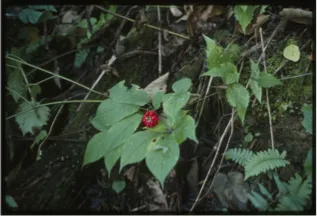
Appalachia has often been a place that is misunderstood by those outside of the region. The region has a culture, physical environment, and community that is one of a kind compared to others. The many aspects of Appalachia all contribute to its overall definition. Students will be introduced to ginseng and ramps, Appalachian music, and…
Filed Under:
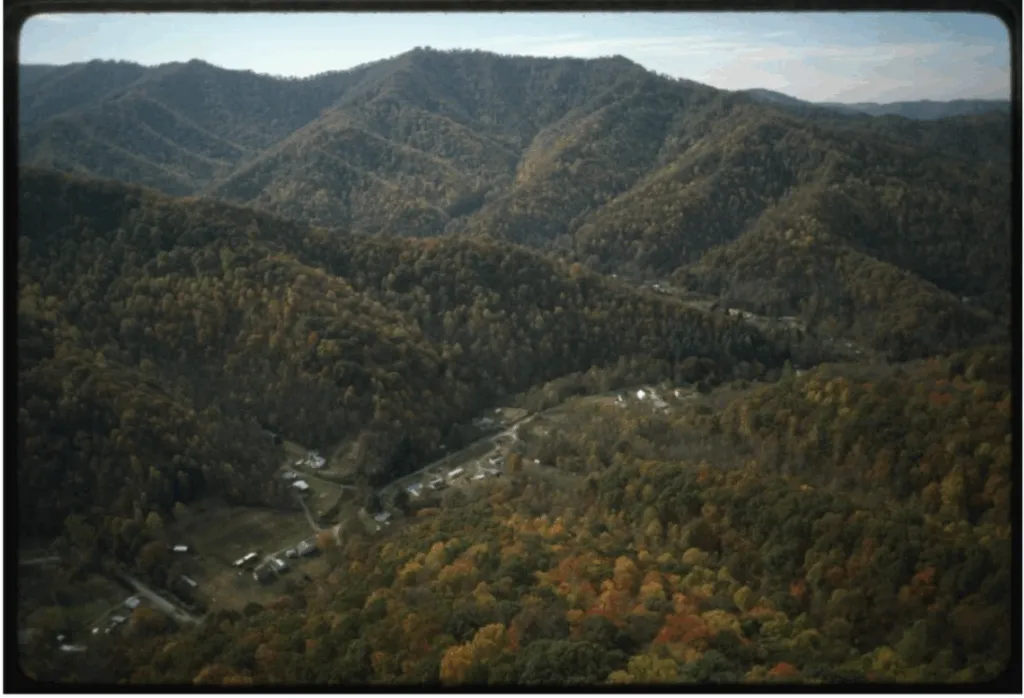
Appalachia has often been a place that is misunderstood by those outside of the region. The region has a culture, physical environment, and community that is one of a kind compared to others. The many aspects of Appalachia all contribute to its overall definition. Students will be introduced to ginseng and ramps, Appalachian music, and…
Filed Under:
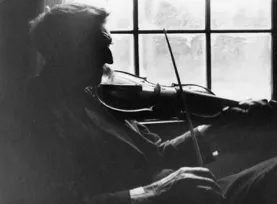
Appalachia has often been misunderstood by those outside of the region. The region has a culture, physical environment, and community that is one of a kind compared to others. The many aspects of Appalachia all contribute to its overall definition. Students will be introduced to ginseng and ramps, Appalachian music, and communities in the mountains…

Filed Under:
This inquiry leads students through an investigation of archaeology and how it contributes to our current understanding of the Bible. It is important to note that this inquiry requires prerequisite basic knowledge of world history, geography, and religion. Developing students’ background knowledge on these topics can be part of the inquiry or from previous learning.
…
Filed Under:
Cell phones have become a regular part of students’ daily lives, providing opportunities to communicate, learn, and access information. At the same time, many schools have adopted policies restricting or even banning phones out of concerns about distraction, mental health, and school safety. In this inquiry, students examine competing arguments and supporting evidence to answer…
Filed Under:
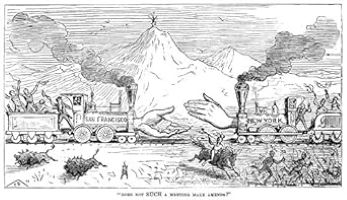
Artists during the 19th century portrayed the values of Manifest Destiny—the belief that the expansion of the United States across the North American continent was both justified and inevitable—through symbolic imagery, dramatic landscapes, and depictions of progress and civilization overcoming wilderness. What they choose to include, and how they chose to depict those objects, influence…

Filed Under:
The Great Migration reshaped Black communities as millions sought more—more economic opportunity, more cultural expression, and deeper connections to their heritage. Above all, Black Americans aimed to define themselves as both a powerful, unified community: distinctly Black and undeniably American. The art of the Harlem Renaissance became a bold declaration of this identity, radiating power,…
Filed Under:
This inquiry leads students through an investigation of the use of atomic weapons and lasting effects of the United States’ nuclear attacks on Hiroshima and Nagasaki. By investigating the compelling question, students examine the reasons why the United States dropped the weapons. By completing this inquiry, students begin to understand the effects of nuclear weapons…

Filed Under:
This annotated inquiry leads students through an investigation of the Aztec Empire through the study of its capital city, Tenochtitlán. Scholars debate the significance of the role of the Aztec Empire in Mesoamerican culture. While some observers see great innovation in architecture, agriculture and economic systems, others see a simplistic, militaristic, and flawed empire. Further…

This inquiry prompts students to investigate the social, economic, and environmental issues surrounding the global banana industry. In investigating the compelling question regarding real cost of bananas, students explore the pros and cons of the banana industry, including the practices of multinational corporations (MNCs) and smaller fair-trade cooperatives and organizations. Students grapple with several layers…

Filed Under:
This inquiry leads students through an investigation of leaders during the American Revolution. By investigating the compelling question “Is betrayal always bad?” students evaluate the actions of King George III and George Washington. The formative performance tasks build on knowledge and skills through the course of the inquiry and help students understand the motives of…

Filed Under:
This inquiry leads students through an investigation of the compelling question, Is globalized culture in Bhutan a good thing? The inquiry is shaped by three supporting questions, beginning with a question focused on what the Bhutanese people believe about the preservation of traditional culture. The second supporting question aims to tease out whether the differences…
Filed Under:
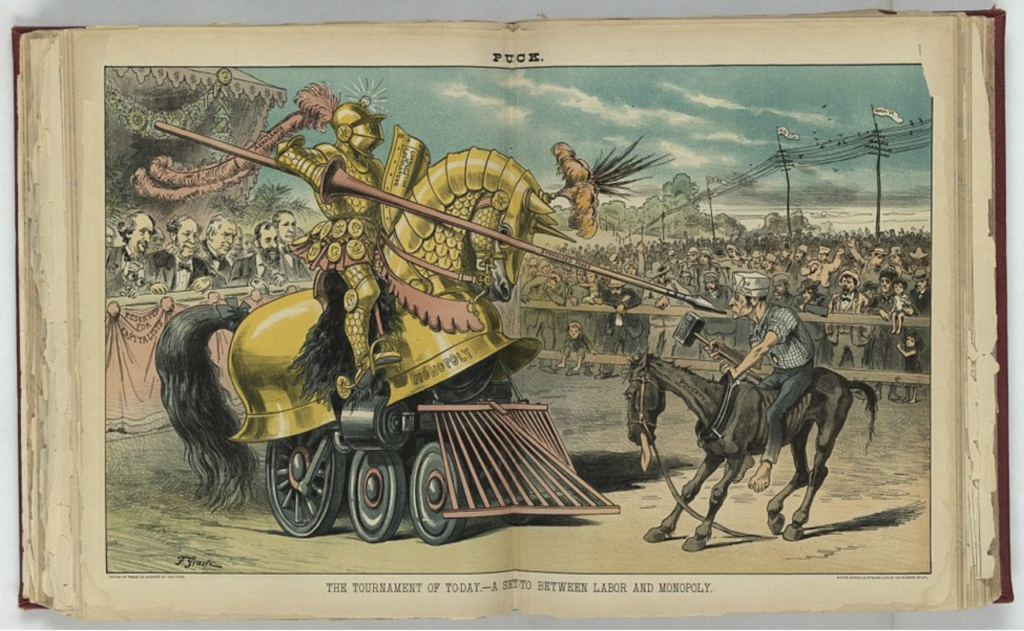
Industrialization allowed factories to produce goods faster and more efficiently, helping some companies grow dramatically. Accompanying this growth were changes in the way businesses could be organized. Large companies called trusts came to define the economics of the Gilded Age. Trusts (or monopolies) controlled entire industries, reduced competition, and expanded their profits. While the owners…

Filed Under:
This inquiry is framed by the compelling question “Can disease change the world?” Among the many catastrophic global pandemics in history, perhaps none achieved the notoriety of the Black Death. The Black Death was a massive outbreak of the bubonic plague caused by infectious bacteria. Thought by scientists to have been spread by contaminated fleas…